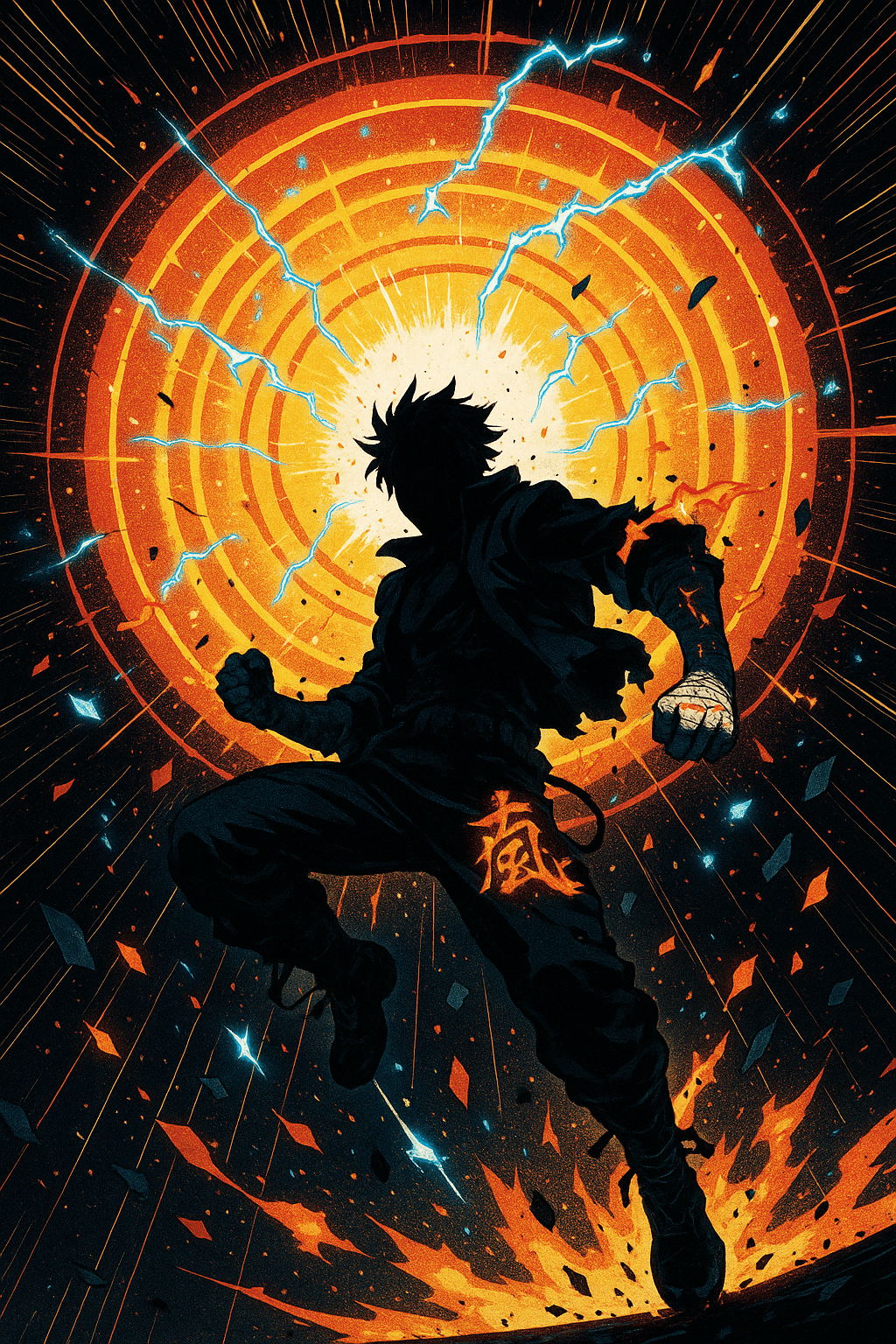
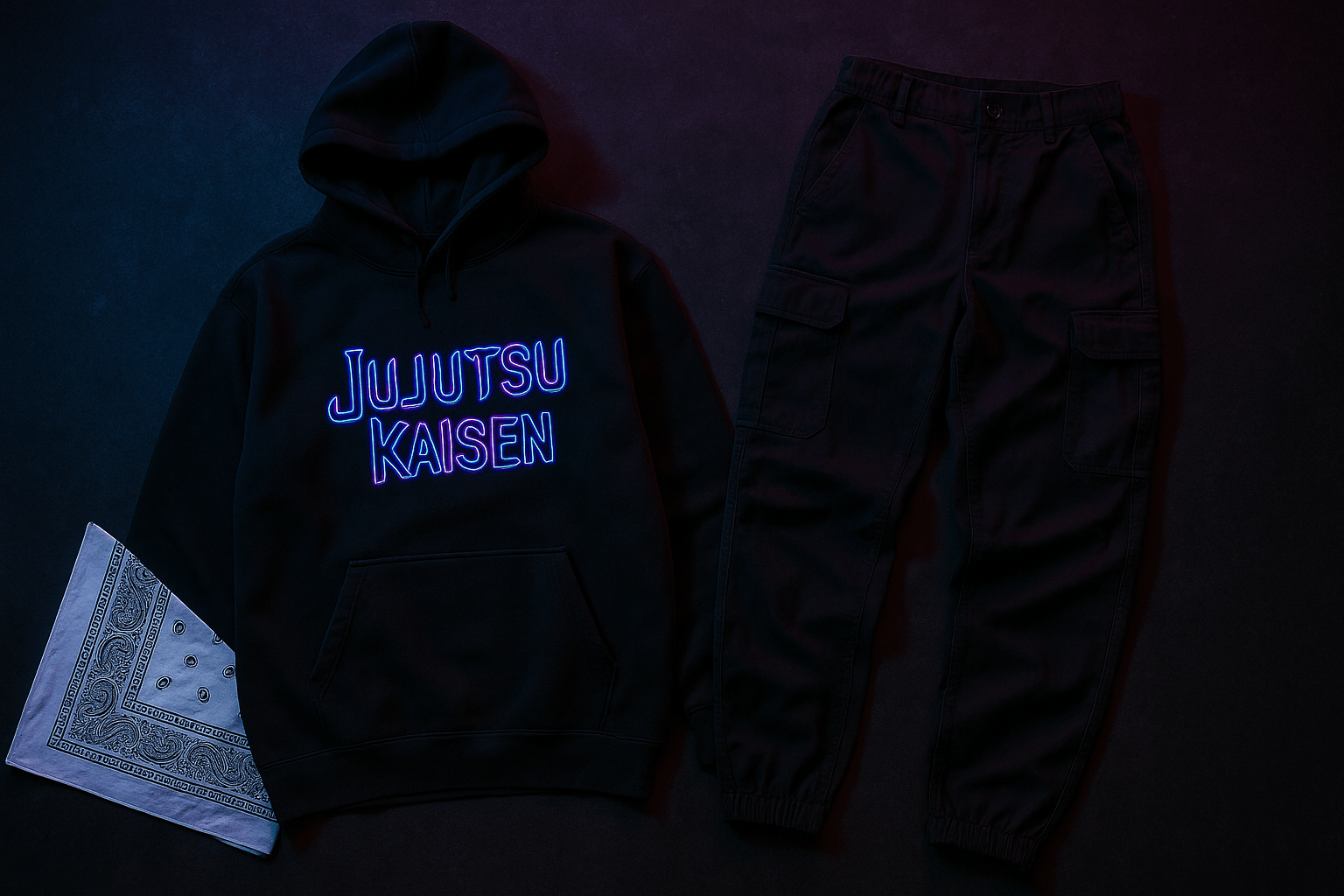
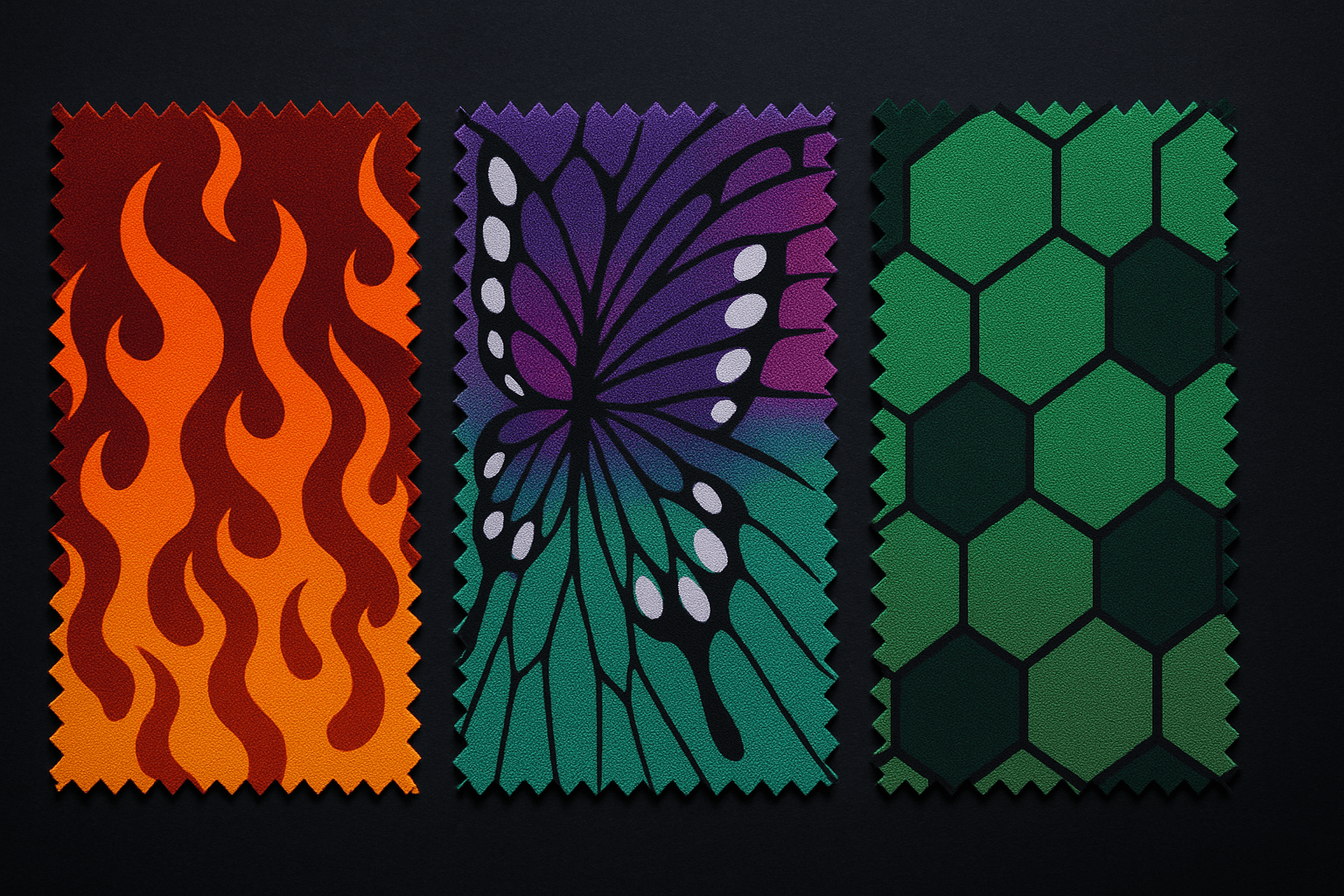
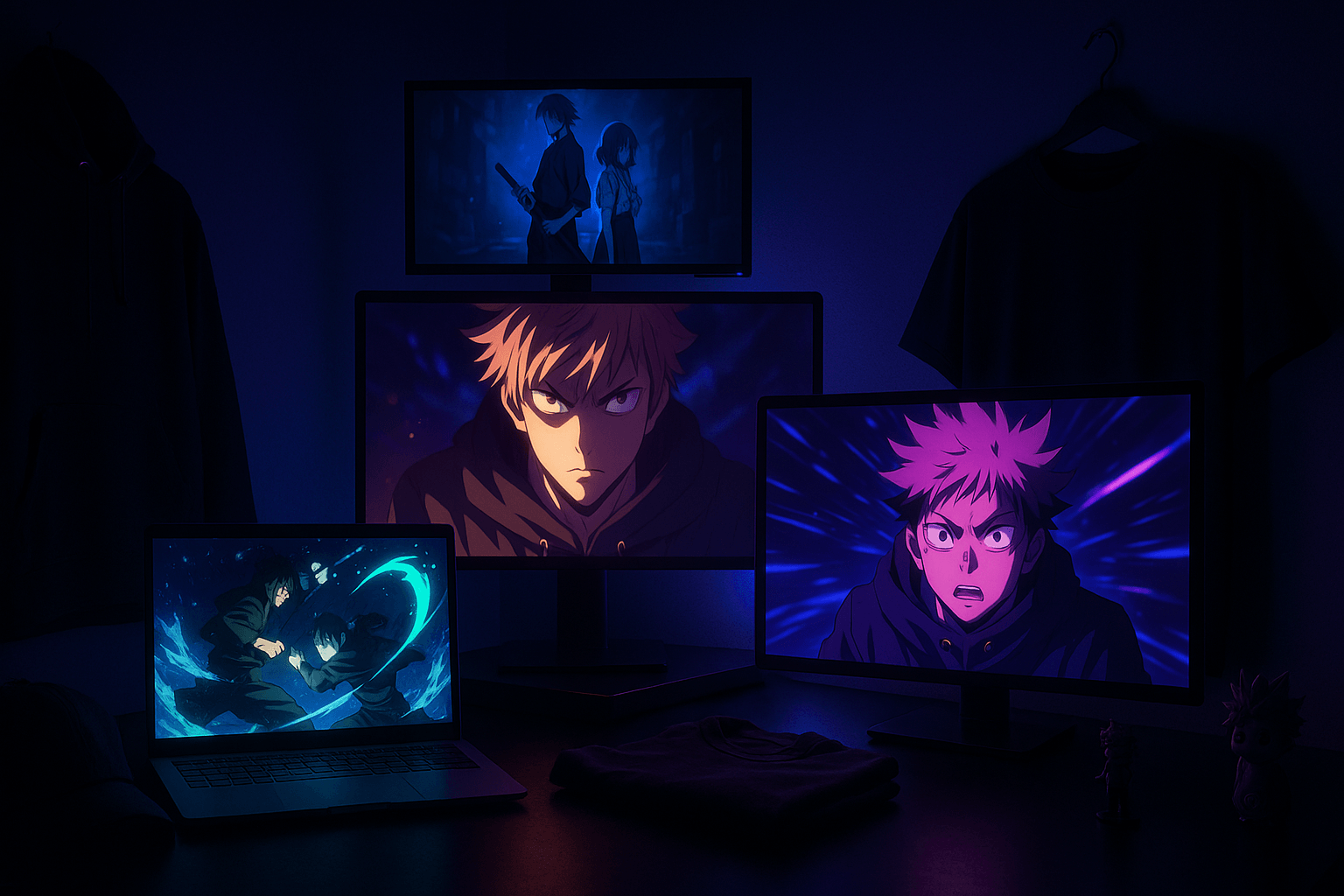
Dynamic anime figure in explosive action pose surrounded by energy bursts and speed lines, vibrant neon colors against dark background
Anime Culture & Style

Find Your
Next Arc.

You finished Demon Slayer. You're three episodes into Jujutsu Kaisen. Now what — and what does it say about how you dress?

What mood are you in?

Jujutsu Kaisen characters in dynamic action poses, anime art style
Jujutsu Kaisen

Fights that hit different. Gojo's look became a streetwear statement before the merch dropped.

Read the style breakdown →
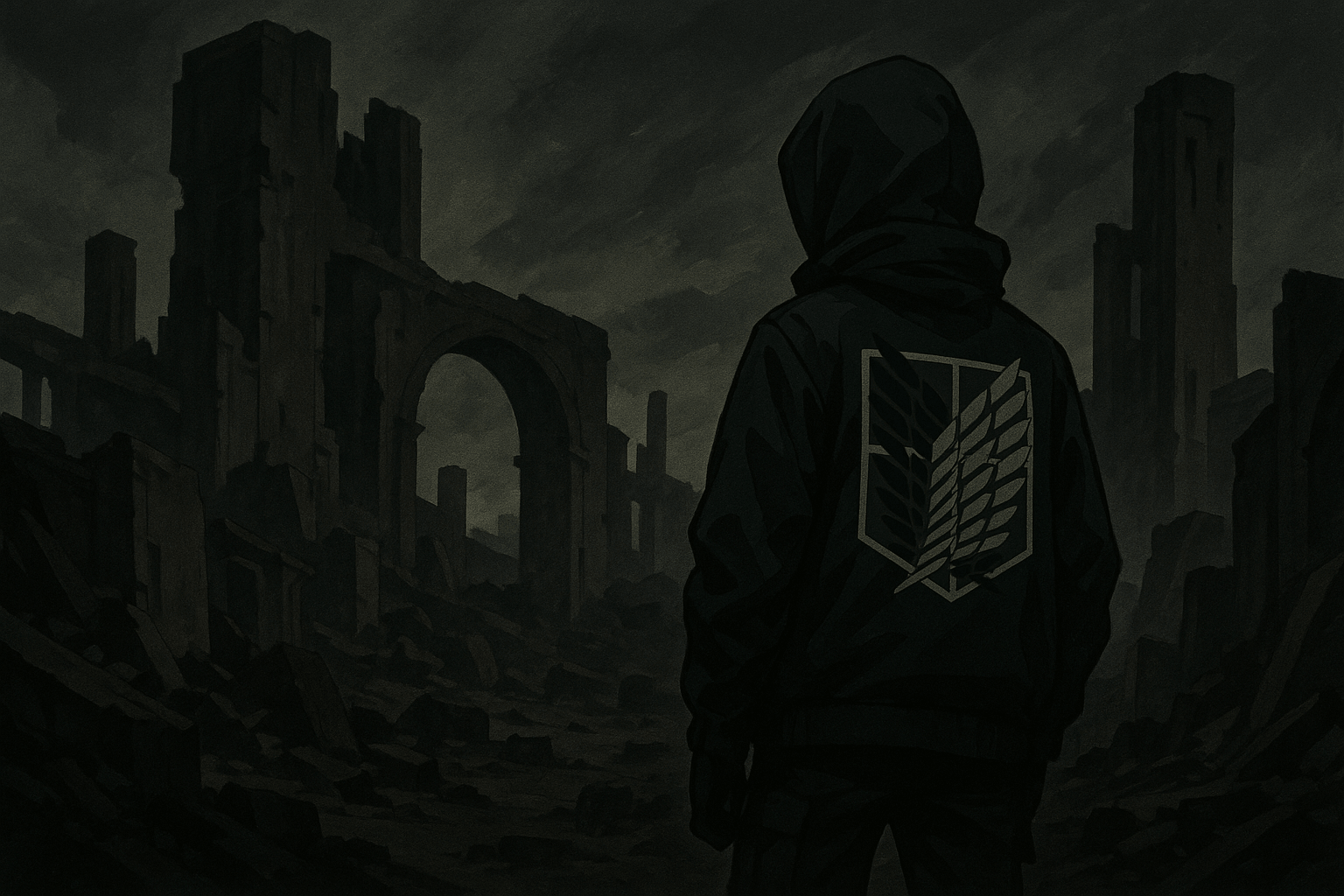
Attack on Titan dark moody scene, anime aesthetic
Attack on Titan

Military utility, Survey Corps greens, the kind of wardrobe that looks intentional even when it shouldn't.

Read the style breakdown →
Demon Slayer colorful character art, anime style
Demon Slayer

Bold color, pattern work, and the Taisho-era fashion that turned every print into a character trait.

Read the style breakdown →
One Piece vibrant characters and world, anime art
One Piece

1000+ chapters. Every arc drops a completely different island, palette, and fit. The biggest world in anime, by far.

Read the style breakdown →
7+ Series Breakdowns
4 Style Archetypes
2021 Est. Geneva, CH
100% No Spoilers Policy

Series by Aesthetic

The longest-running shonen series and the one with the most stylistically inconsistent fits — which somehow works perfectly. Luffy's red vest and sandals aren't fashion. They're anti-fashion. Which is its own kind of statement.

Each island arc brings a completely new visual palette: Wano's samurai-inspired wardrobe, Dressrosa's Mediterranean color pop, Enies Lobby's stark white institutional look. One Piece is basically an anthology of aesthetics.

World-building aesthetic

Orange was never a neutral color before Naruto made it a protagonist color. The jumpsuit doesn't make sense. That's exactly why it became iconic — it signals loudly before the character says a word.

The Akatsuki's black-and-red cloud pattern is one of the most recognizable prints in anime history. Villain fashion in Naruto hits harder than the protagonist's.

Bold signature color

Military utility done right. The Survey Corps uniform — brown leather harness, layered jacket, teal-and-white colorway — looks like something a serious outdoor brand would release for serious money. It's functional-looking without being ugly.

AoT's color palette is almost entirely desaturated. When something is bright in this show, it's a signal. That restraint is a lesson in how wardrobe works in visual storytelling.

Military utility

Each Hashira is walking brand identity. Rengoku's flame-pattern haori. Tengen's glittery festival look. Mitsuri's pink-and-green gradient. These aren't costumes — they're complete visual systems that communicate personality before any dialogue.

Taisho-era Japan gives the whole series a print-heavy, pattern-on-pattern visual language that modern designers have been mining heavily since the show dropped.

Pattern identity

5-Minute Quiz

Which Shonen Character
Are You Dressing Like?

Answer a few questions about your wardrobe and watch habits. We'll tell you which anime archetype your style maps to — and what to watch next.

Take the Quiz